What does authenticate really mean? My mobile phone screen is awash with the applications necessary to authenticate my digital life. One code, ideally arbitrary and equally unmemorable to the user, unlocks a second code connected to a known device or biometric data. In stark contrast with digital authentication, consumers of the past would have relied on their sensory knowledge to authenticate textiles. Through touch, and at times even smell, consumers verified that the cloth in their hands was indeed as claimed. The complexity of textile production today and a growing loss of ability to trust our senses means that few—beyond the aesthetes among us—can confidently discern if a fabric feels as the label purports. Today, the vast majority of consumers are instead reliant on the accuracy of the manufacture’s label.
While the hand of a textile is often considered most crucial in our appreciation of cloth, our sense of smell—and sometimes even taste—can contribute to our understanding. On occasion, canny sales tactics have drawn upon these senses to authenticate a product. Before the British Arts and Crafts designer William Morris (1834–1896) turned his attention to handmaking and so-called natural dyes, he—along with many other designers—used a pigment called Scheele’s green. Developed by the Swedish chemist Carl Wilhelm Scheele in 1775 from copper arsenite pigment, a copper mining waste that contained arsenic, the pigment resulted in wallpapers that, as author Nienke Denekamp explains, gave off a toxic gas. After the toxicity was suspected, enthusiastic British wallpaper salesmen rubbed and licked the paper to cajole buyers into believing there was nothing to worry about.
Even when textiles are not toxic, our ability to verify cloth through smell has long been vulnerable to manipulation, perhaps because our sense of smell has also been denigrated as the least intellectual of the senses. In three historical textiles—batik, Harris Tweed®, and muslin—scent offered one way to manipulate consumers’ associations with the textile’s production. Ironically, research into the function of smell in all animals concludes the purpose is for navigation. In each of the following examples, scent played a role in attempts to mislead consumers by suggesting the hand production of textiles that were, in fact, made in factories.
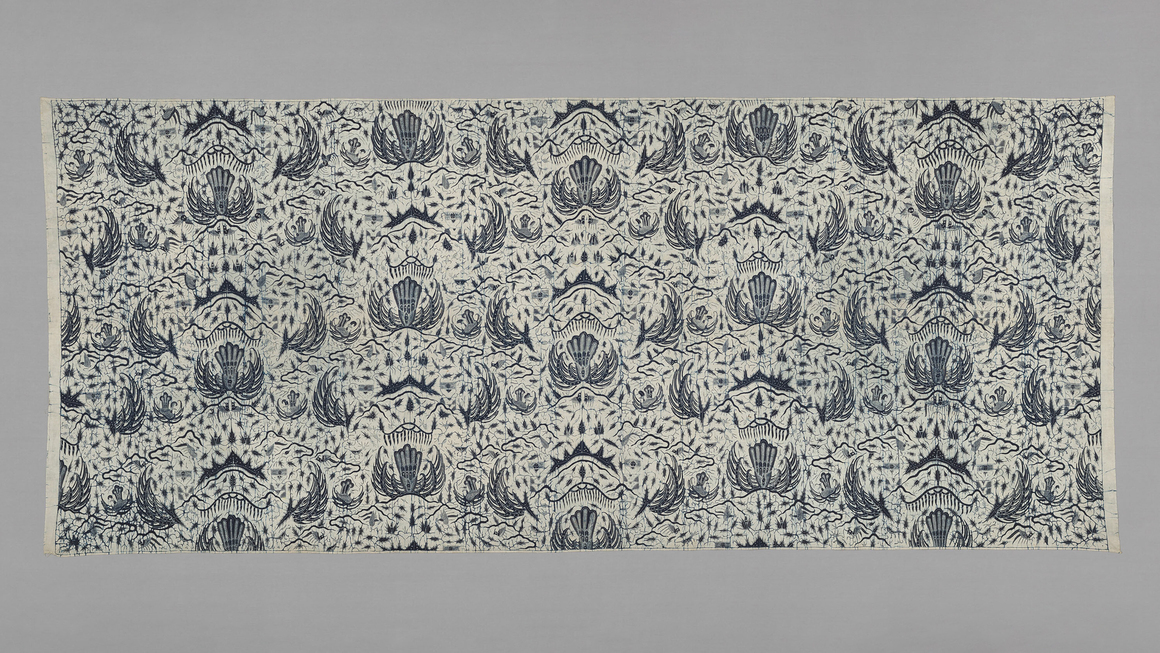
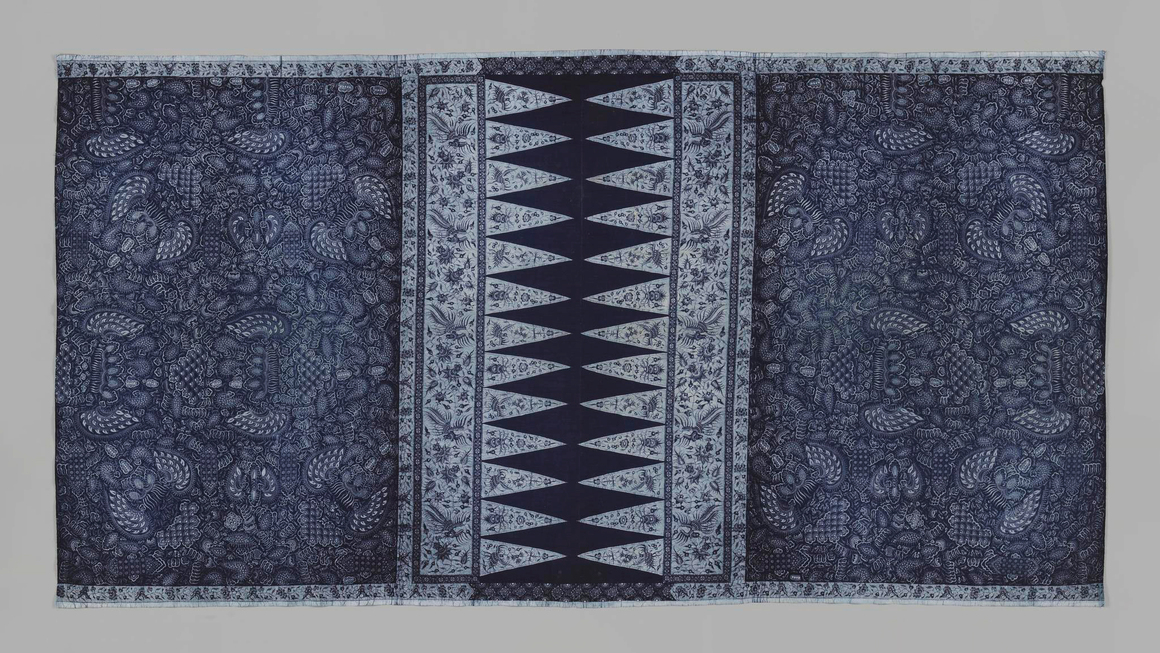
In the case of colonial-era batik, two cotton printing entrepreneurs in particular, J. B. T. Prévinaire and Pieter Fentener van Vlissingen, focused on the development of imitation batik print for the Dutch East Indies market. Prévinaire developed the Javanaise, which used a blend of resin and wax printed on both sides of the cloth to mimic some of the qualities of hand-produced batik. A sales agent encouraged Prévinaire to infuse the imitation batik with the scent of wax, which is used in the hand production of batik. Smelling batik to authenticate the cloth continues today. Researchers Fiona Kerlogue and Helen Elands both refer to buyers smelling cloth to check for the scent of wax.
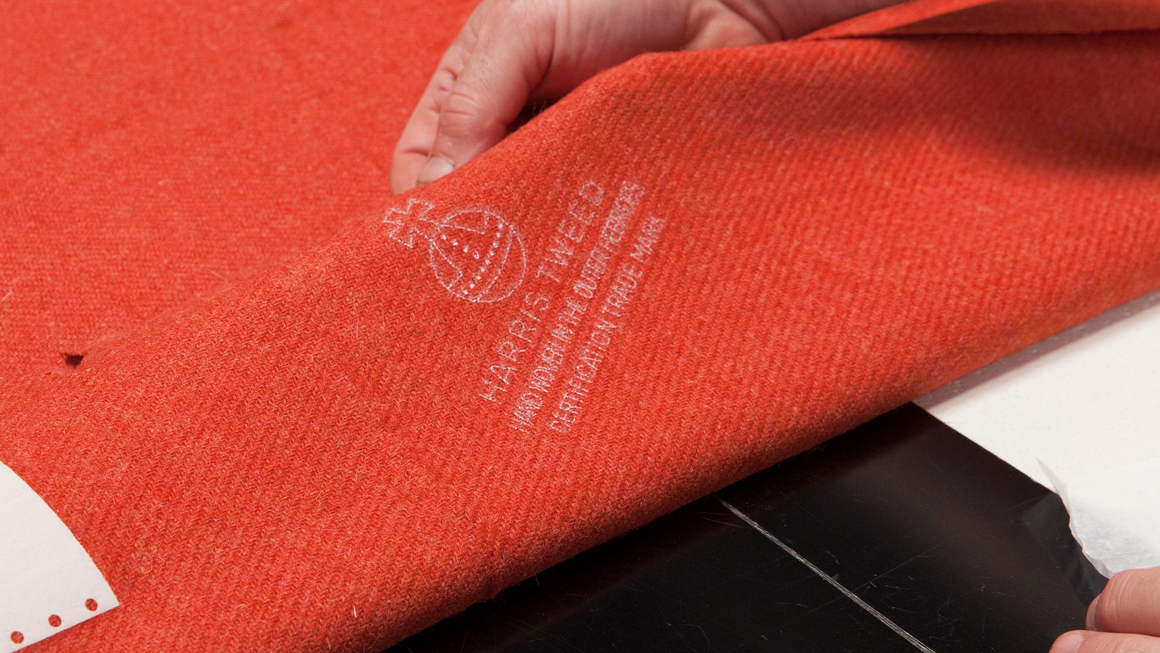
Harris Tweed, described in a 2009 BBC4 documentary as “a fabric that looked and smelt like the land,” also involved the manipulation of scent. Historians Victoria Finlay and Janet Hunter both refer to meeting minutes of the Lewis Harris Tweed Association that encouraged the “inoculation” of imitation tweed to infuse the cloth with the scent of peat smoke associated with the islands. More recently, in a bizarre 2014 collaboration with Heriot-Watt University’s School of Textiles and Design, the Scottish whisky brand Johnnie Walker Black Label and Harris Tweed Hebrides announced the development of a fabric imbued with the smell of whisky. BBC reporting understandably questioned the wisdom of a driver behind the wheel, wearing Harris Tweed and smelling of whisky.
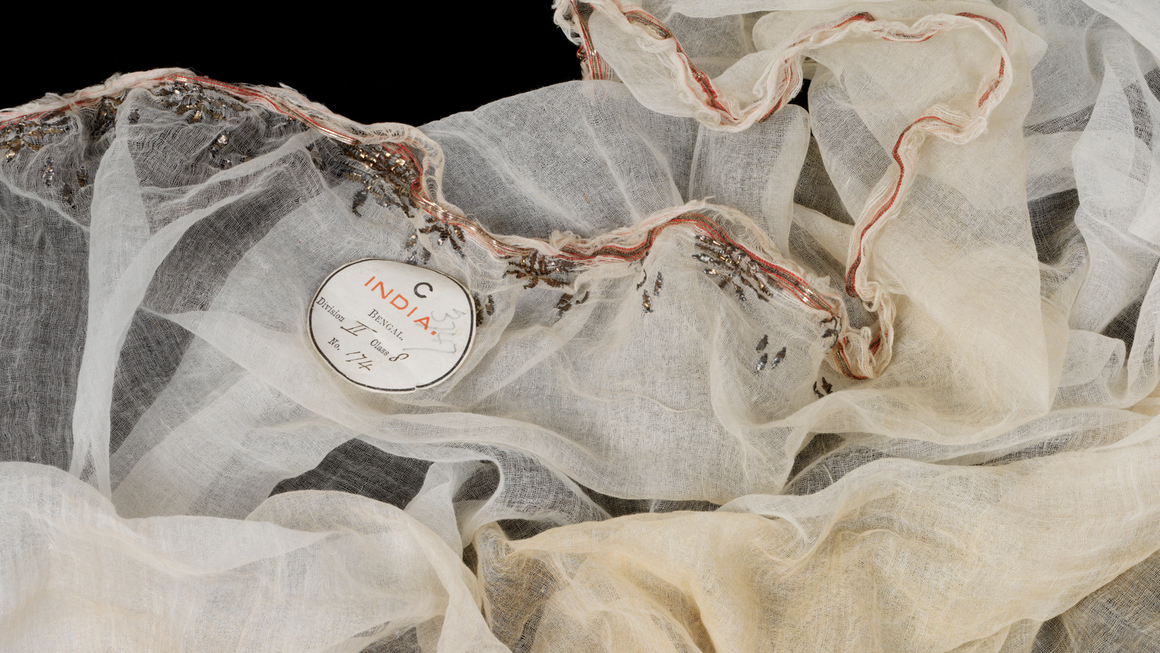
A third historical example is imitation Dhaka muslin. British factory-produced “Imperial muslin,” Saiful Islam explains, was packed with spices to suggest it had been produced in India. Islam and Sonia Ashmore both cite an 1873 issue of The Milliner and Dressmaker and Warehouseman’s Gazette where the infusion of scent was taken a step further: “Many persons in buying muslin in a shop, judged of its being Indian or otherwise, by smell and touch, and Mr Ainsworth’s family frequently heard him say that he employed spices to scent the first muslin he made, imitating as closely as possible the smell of Indian muslins! British muslins were frequently sent to India to be repacked and were returned to England as Indian muslins!”
We have little evidence that these historical tactics worked to augment textile sales. But even the notion of manipulating consumers through scent suggests we acquire some trust in our materials through this often-derided sense. In future, we will need to consider information from a range of sources that include emerging AI fibre authentication, alongside the knowledge held by our senses, if we are to continue to discern the types of textiles we are really holding in our hands.
The above text is an edited excerpt from the forthcoming chapter “Textile Tracing: from Sensory Manipulation to AI Authentication” in Sensing/Touching Virtuality edited by Philipp Künzel, Katja Grashöfer, Jane Lia Jürgens, and Kira Lewandowski.
Jessica Hemmings writes about textiles. She is a professor of craft at HDK-Valand, University of Gothenburg, Sweden, and professor II at the Oslo School of Architecture and Design, Norway.
Related Stories